


Whitepaper
A Unique Challenge for Healthcare: Rising Violence in Healthcare Facilities
Behavioral Health
Hospital Entryways
Rising Violence in Healthcare Facilities
The American Association of Colleges of Nursing (AACN) calls it “a weed with deep roots that keeps growing.” Because even though violence in healthcare facilities is not new, it’s increasing more than most people realize. The World Health Organization defines workplace violence as verbal abuse, sexual and racial harassment, and violent assaults. These are no longer just isolated incidents or limited to behavioral health facilities.
The good news is that understanding the scope of the problem and implementing the right solution can go a long way in reducing the risk to patients, visitors, and staff.
The data behind the increase.

A unique challenge for healthcare.
- Hospitals are easily targeted because of the presence of hazardous materials, open facilities, and a vulnerable patient population. Inpatient rooms, psychiatric units, and emergency rooms are particularly stressful environments. Often the perpetrator is a patient or family member—not a hardened criminal.
- Incidents tend to be underreported, often by the victims who feel it may violate their oath to “do no harm” and, sadly, may simply see it as part of their job. The result is that leadership often lacks a clear picture of the problem.
- Violence worsens existing labor shortages. When nurses move to a safer facility or leave the field, the average turnover costs $61,110, according to the 2025 National Healthcare Retention & RN Staffing Report.
- Healthcare facilities must find a balance between an atmosphere that is calm and comforting and one that feels secure. Conspicuous or heavy-duty security equipment can seem intimidating and may be too costly.
Solutions for reducing the risk.
Both the WHO and the U.S. Occupational Safety and Health Administration (OSHA) recommend an integrated approach to reducing the risk of violence for healthcare and social service workers. OSHA’s guidelines, which can be used to develop a comprehensive prevention plan, include policies that emphasize zero tolerance, training, administrative controls, and engineering solutions such as physical barriers, improved lighting, and detection technology. The AACN also calls for more security at the building level, recommending that healthcare facilities “ensure the presence of sufficient security systems, including alarms, emergency response, and available security personnel.”
Metrasens Redefines Security in Healthcare
Establishing a strong first line of defense at your hospital or emergency department is essential in preventing weapons like guns and knives from entering your facility. Precise detection at the entrance helps ensure a safer environment for staff, patients, and visitors. Healthcare professionals dedicate themselves to providing exceptional care, but workplace violence can lead to increased staff turnover, reduced productivity, and absenteeism. By fostering a secure setting, hospitals can protect their teams and support their commitment to patient care. Additionally, maintaining a therapeutic environment is critical. Non-invasive, non-threatening detection systems provide full-body screening from a safe and comfortable distance, ensuring a seamless security process. These passive screenings are safe for individuals who are pregnant or have implanted medical devices, enhancing security without disrupting the patient experience.
Interested in reducing violence at your healthcare facility? Request a quote today.
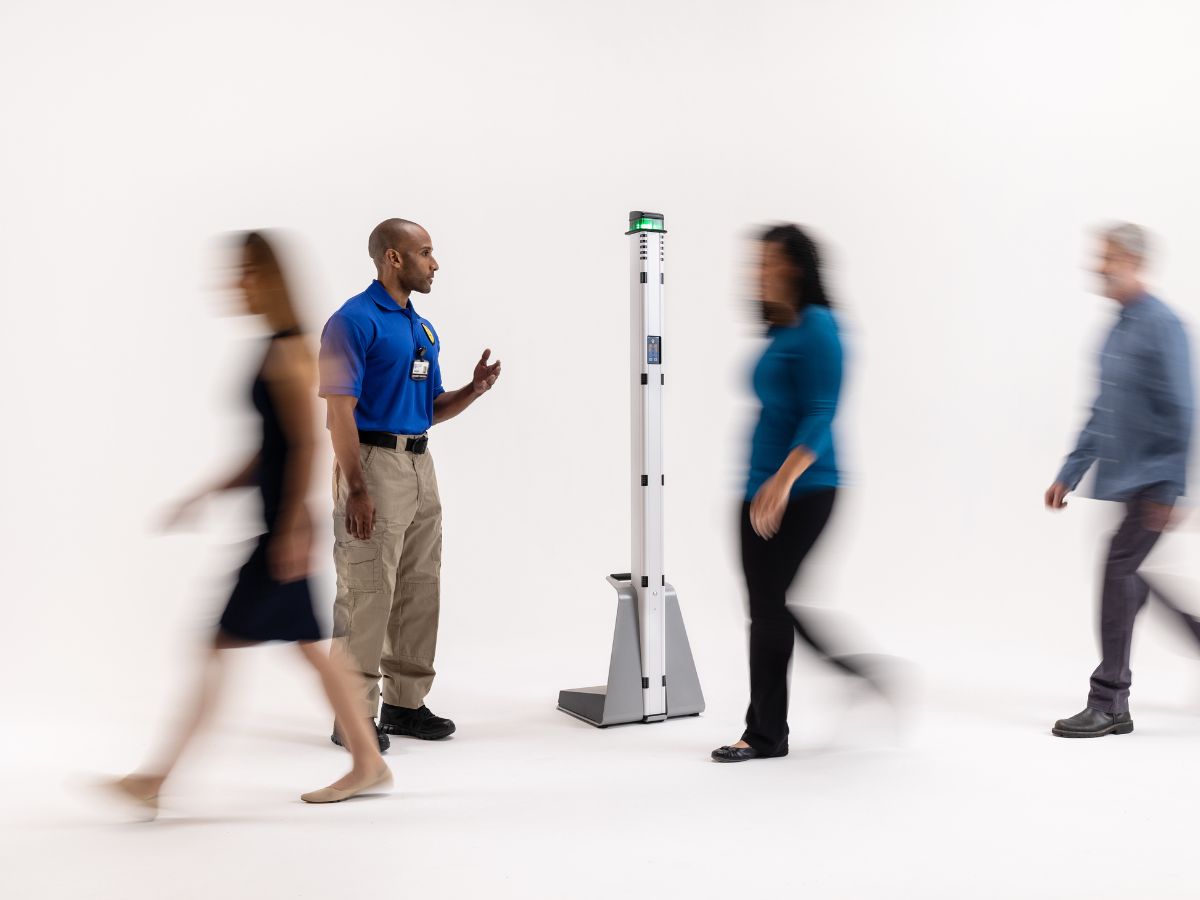
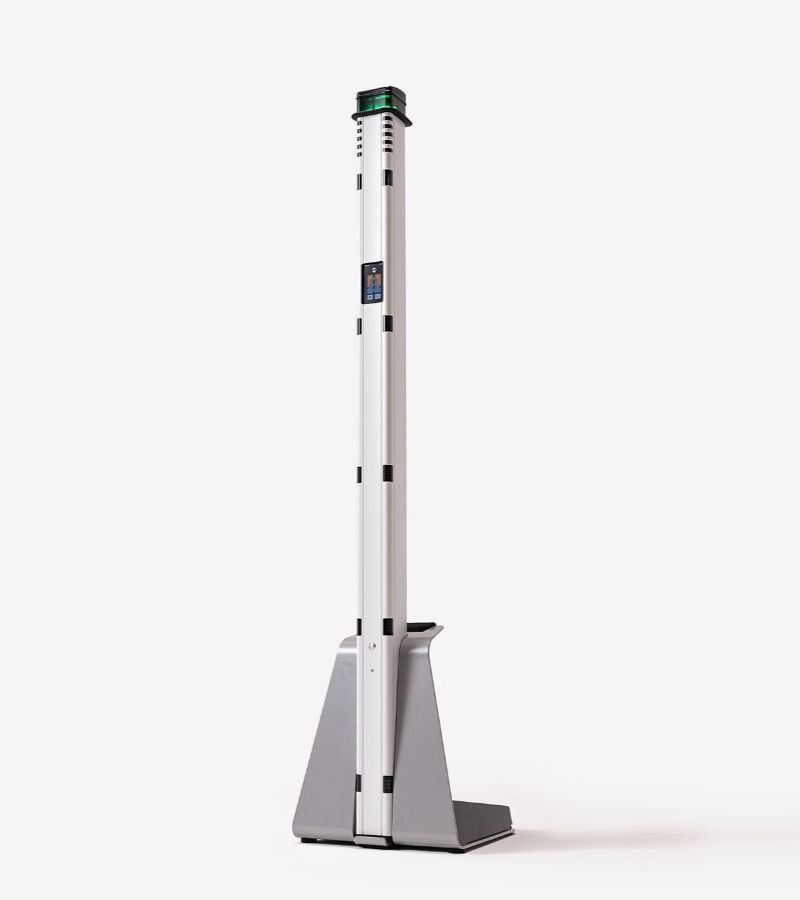
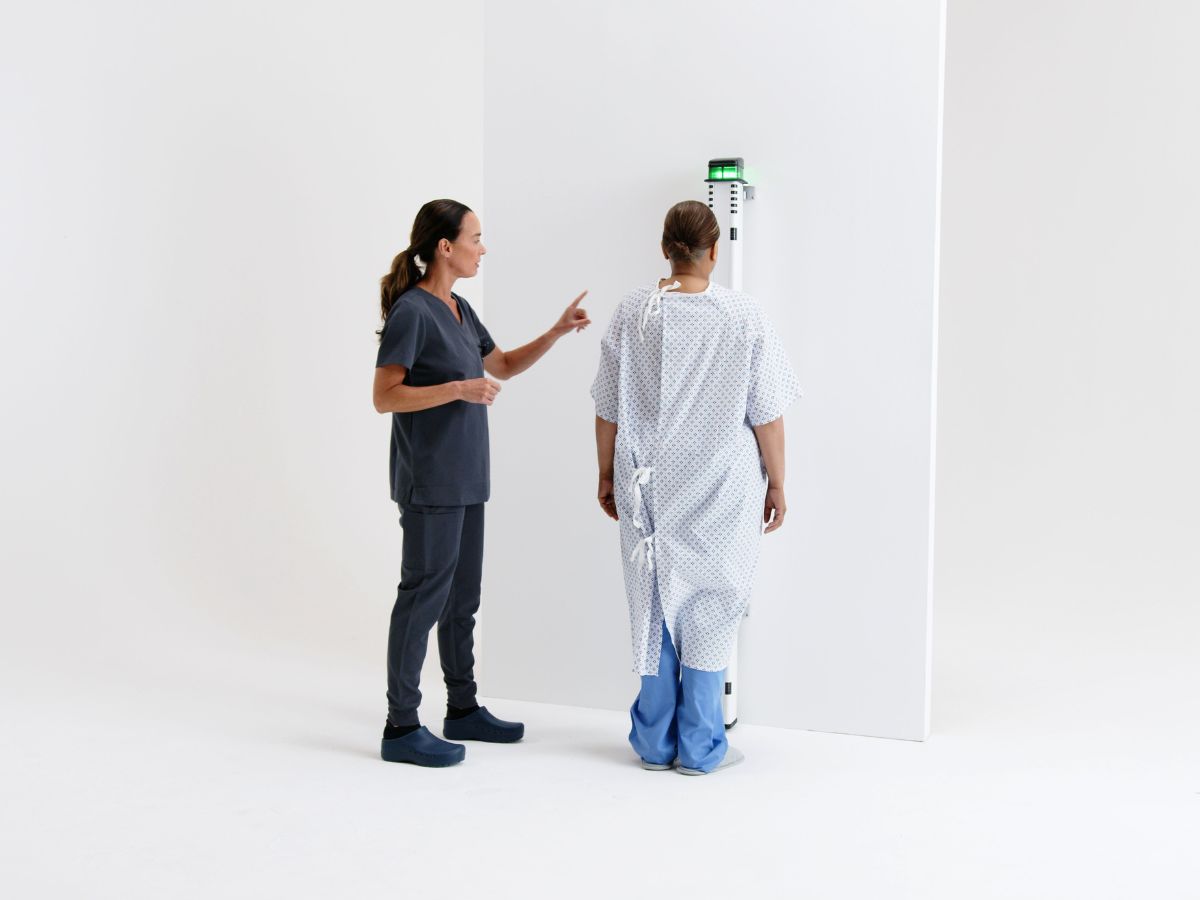

This article focuses on strengthening protection while preserving the welcoming, patient-centered environment that defines modern care.
Learn More
This guide answers those questions and explains how Metrasens Ultra provides the ideal solution to meet and exceed AB 2975’s standards.
Learn More
This guide is designed to provide comprehensive guidance on incorporating effective screening protocols using Metrasens Ultra in behavioral health.
Learn More